
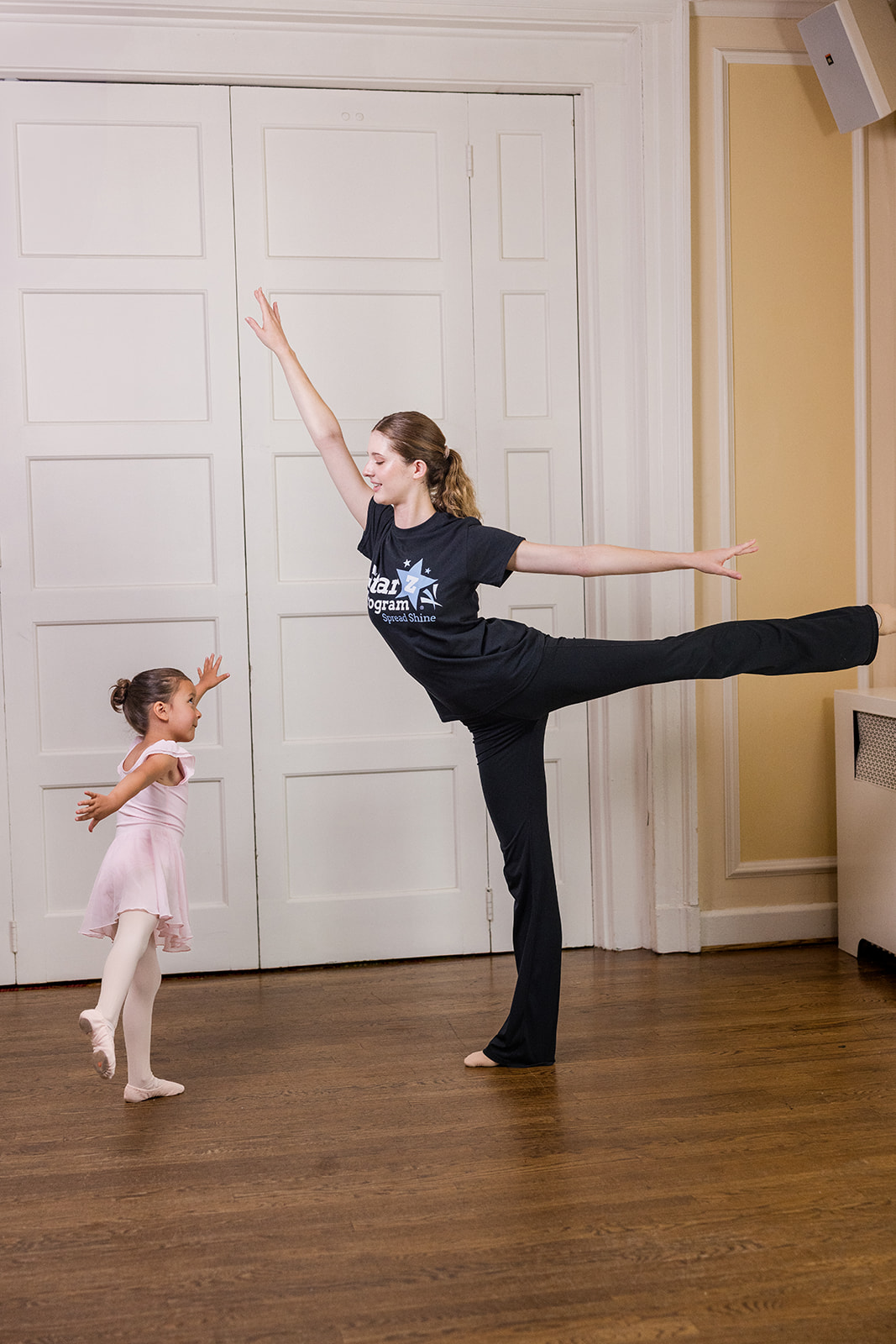
Self-care through physical activity represents lifelong commitment beginning in childhood. Children experience both constructive stress supporting growth and development, and negative stress causing overwhelm or distress.
Similar to adults, children hold tension physically. Anxious, frustrated, overstimulated, or overwhelmed children may display racing hearts, muscle tension, clenched fists, shallow breathing, concentration problems, irritability, or emotional outbursts. Movement addresses this effectively. Physical activity operates not solely for fitness but as an emotional regulation tool. When children move, they release accumulated tension and energy. Research confirms movement improves mood, decreases stress, boosts confidence, and restores equilibrium. Dancing, sports, yoga, stretching, and outdoor walks all combat stress.
Children naturally move through jumping, spinning, running, wiggling, dancing, and playing. Movement represents the body’s primary coping strategy. However, as children age, active play opportunities decline while responsibilities increase. Supporting lifelong movement appreciation proves essential.
Starz emphasizes whole-child development through physical, social, emotional, and mental wellbeing support. Sports, dance, cheer, fitness, yoga, and movement enrichment build physical skills plus confidence, perseverance, relationships, and healthy coping mechanisms.
Family strategies include: enrolling in enrichment programs; modeling healthy habits; dancing together; nature walks; stretching and breathing exercises; and making chores active through music and movement.