
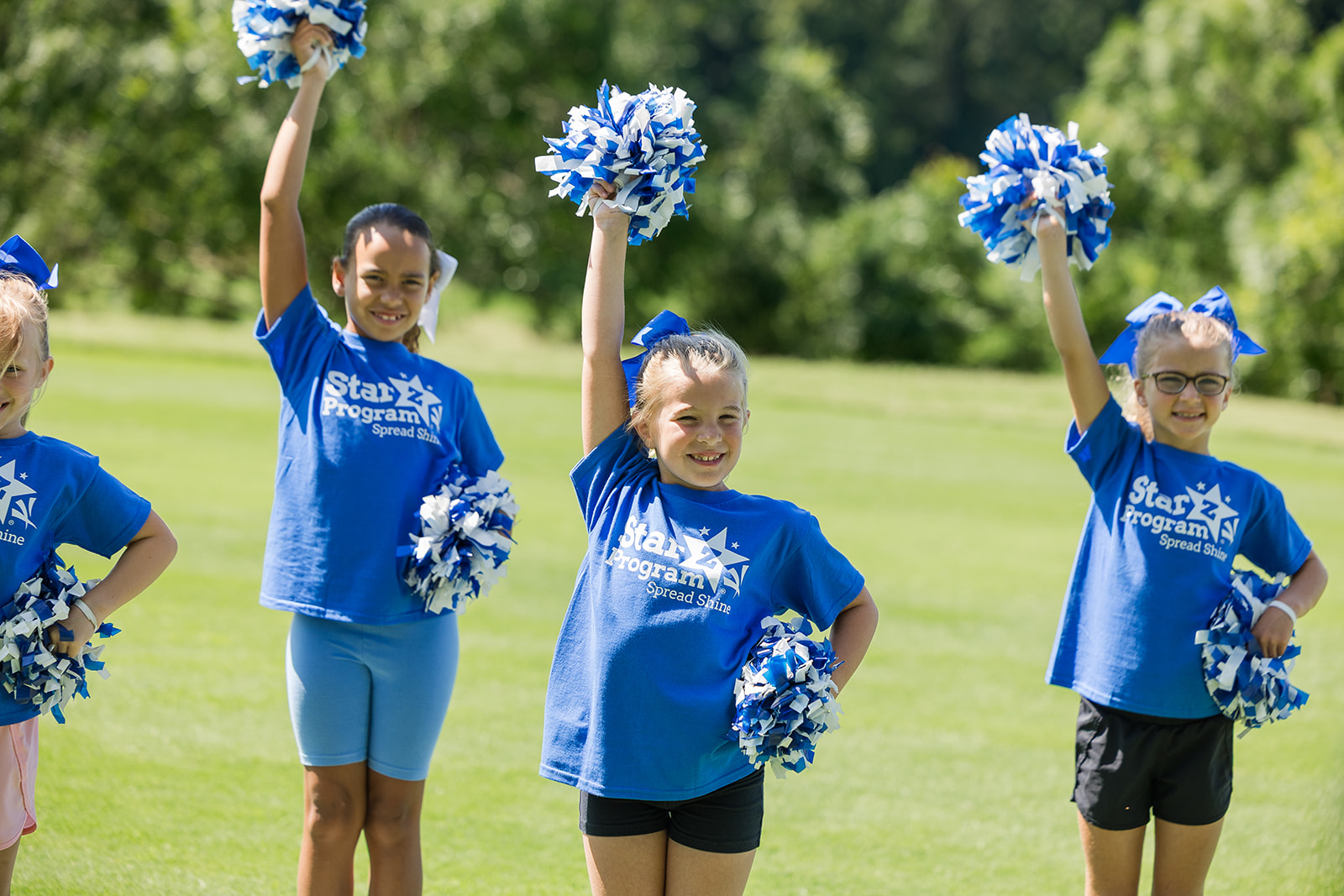
Leadership often seems adult-focused, but critical skills begin developing during childhood. Each teammate encouragement, problem-solving, responsibility-taking, or confident new attempt represents practicing future-leader qualities.
Starz believes physical activity transcends movement. Through sports, dance, cheer, fitness, yoga, and enrichment, children develop confidence, communication, teamwork, and perseverance—leadership foundations serving lifetimes.
Leadership begins with self-belief. Every new skill, performance, or post-mistake persistence builds confidence. Confidence derives not from superiority but discovering personal capability. Through cheers, basketball dribbling, or obstacle completion, children experience small successes gradually strengthening self-belief. These experiences often encourage classroom volunteering, idea-sharing, new activity-trying, and comfort-zone expansion. Confident children lead more readily.
Great leaders collaborate effectively. Physical activity naturally teaches cooperation, communication, teammate encouragement, and shared-goal celebration. Children practice listening, disagreement-resolution, respect, and collective objectives. These lessons transfer beyond fields and studios into healthy friendships, school success, and community contribution. Children learn leadership means enabling others’ success.
Important leader qualities include thoughtful decision-making and responsibility. Research shows children encouraged while given choices develop stronger intrinsic motivation—participation desire through genuine learning and improvement enjoyment rather than external rewards. Children gradually trust abilities and make confident decisions. With independence-building comes resilience, responsibility, and new-challenge initiative.
Leadership involves responding when plans fail. Sports, dance, and movement naturally teach challenge-response, problem-solving, and continued improvement. Missed catches, forgotten choreography, or difficult skills teach mistakes represent learning rather than failure. These experiences develop resilience, emotional regulation, and growth mindset helping children view challenges as opportunities, building continued-attempt confidence.
Leadership varies individually: teammate encouragement; younger child skill-teaching; activity demonstrations; equipment responsibility; kindness and sportsmanship; and post-mistake persistence. These actions show leadership involves character, responsibility, and positive surrounding-person impact.
Starz classes support movement-based whole-child development. Through sports, dance, cheer, fitness, yoga, and enrichment, children practice communication, problem-solving, peer encouragement, challenge perseverance, creative thinking, and action responsibility. Classes reveal strengths and surrounding-person inspiration. Starz aims beyond athlete or performer development toward compassionate teammate, confident learner, and future positive-change leader development.